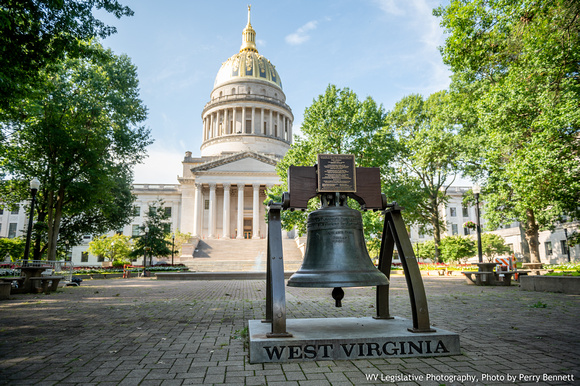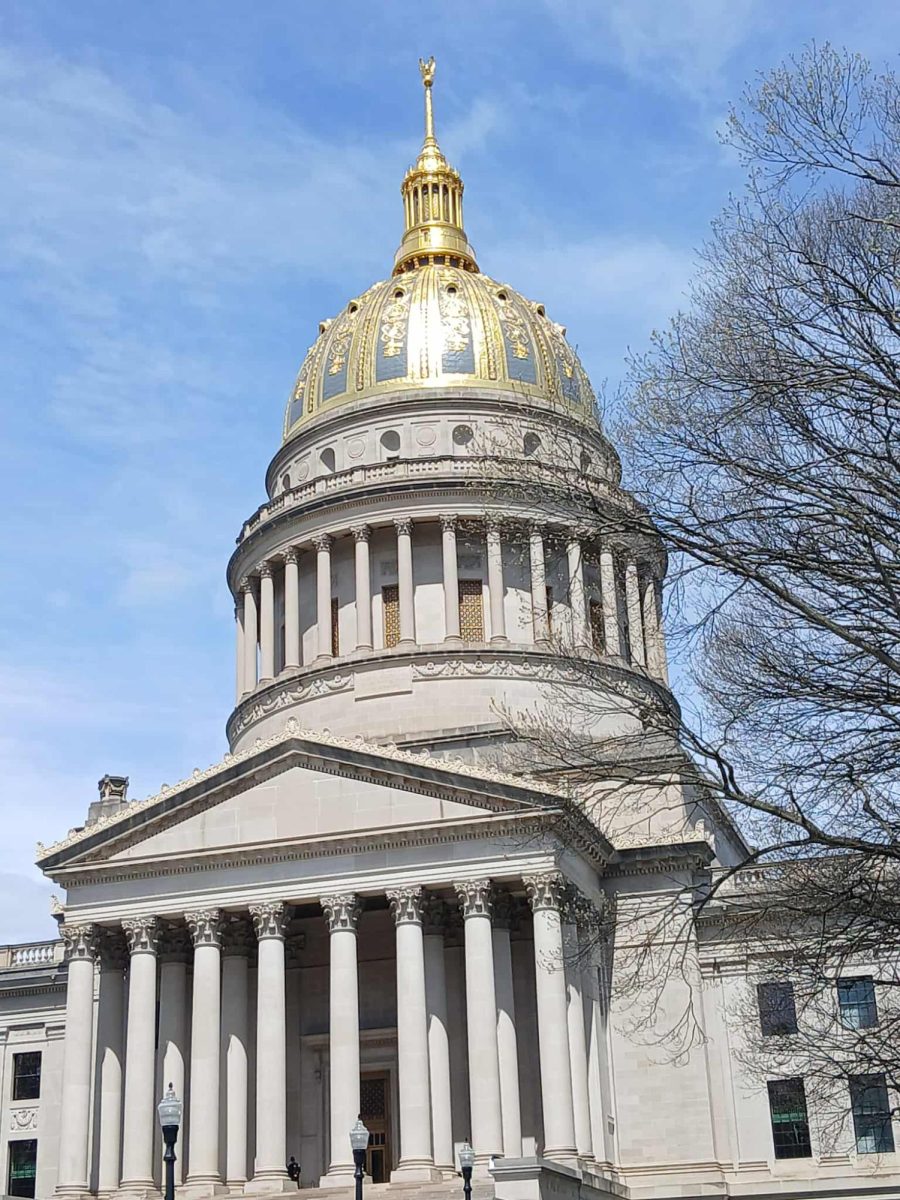


The state budget is not decided on a whim; it is a long and multi-stage process in the West Virginia Legislature.
Each January, the governor proposes a budget to the West Virginia Legislature outlining priorities for the state’s spending across state government, including higher-education institutions like Fairmont State University. That proposal serves as the starting point for negotiations in the House of Delegates and the Senate. From there, the Legislature examines revenue estimates, agency requests, and other long-term obligations before crafting its own versions of the budget bill. The Legislature is currently debating the governor’s budget during the regular legislative session.
In West Virginia, public universities receive their funding from the West Virginia Legislature through appropriations within the budget bill.
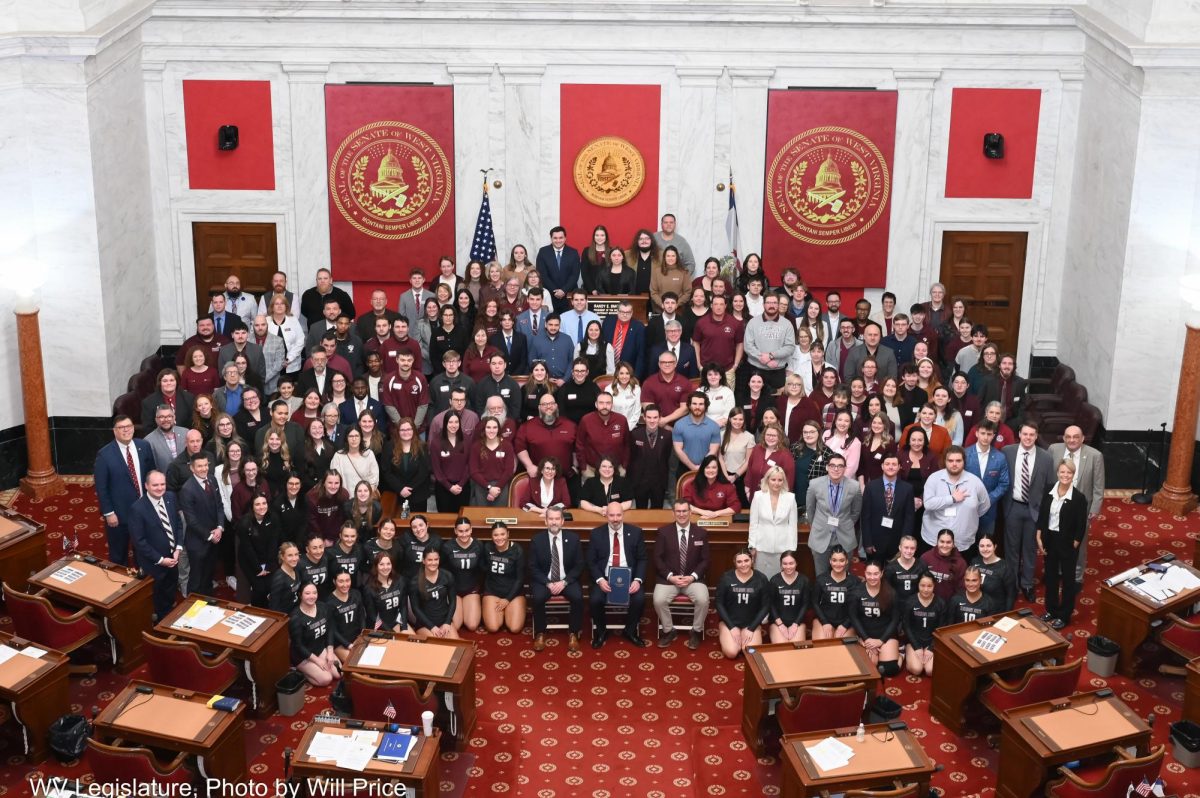
Individual institutions also make their case directly to the legislature. Representatives from Fairmont State University attended Fairmont State’s Day at the Capitol on January 23.
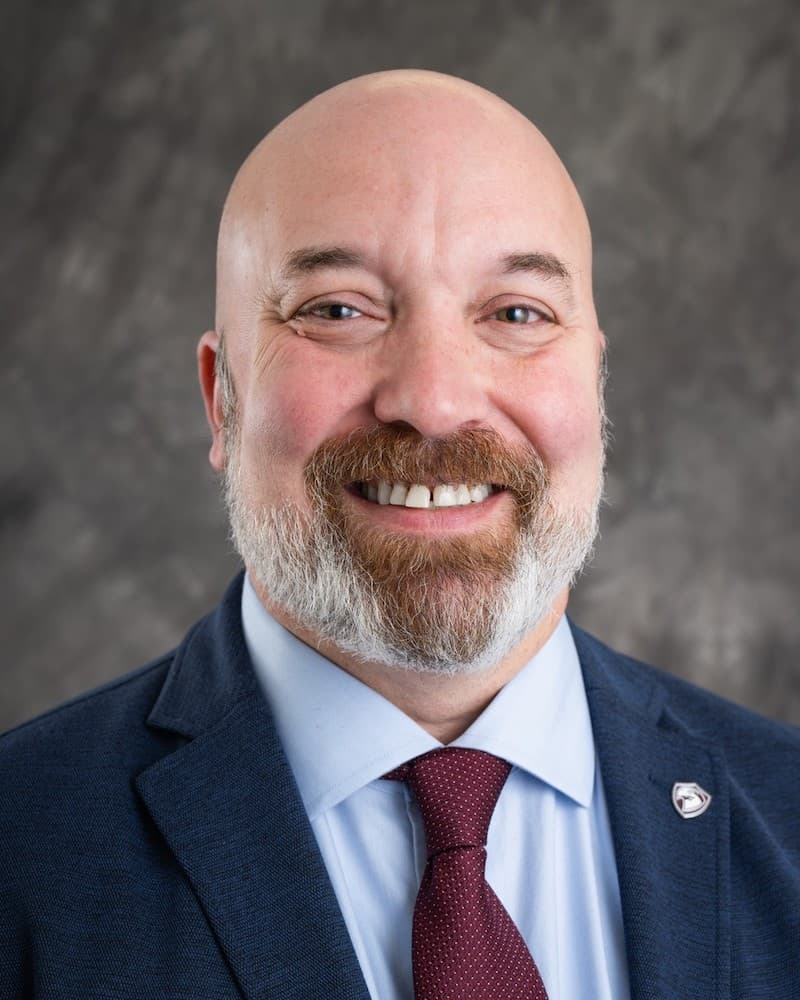
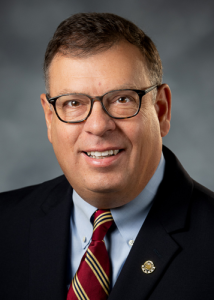
State Senator Joey Garcia (D Marion-13) spoke about the importance of Fairmont State faculty, staff, students, and alumni at the West Virginia Capitol during the event.
“It makes everybody aware of the importance of their mission. It’s important that we see what’s going on because it puts a face to the school itself, where it’s not just a line or the words ‘Fairmont State University’ that actually means something, and we can understand how that money is being used,” Garcia said.
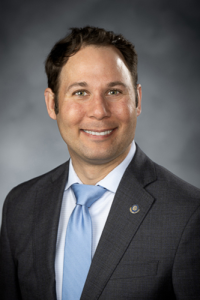
It’s the Legislature’s call to determine whether public universities are meeting workforce needs, a recurring theme in recent legislative sessions. State Senator Mike Oliverio (R Monongalia-13) expects Fairmont State to continue its “lineage as a teacher’s college” and produce enough healthcare professionals to fill “800 vacancies” at nearby hospitals.
A continued debate in the Capitol is whether there is an overreliance on one-time funds. Senator Oliverio has defended the use of one-time funds for targeted purposes, such as maintenance work on college campuses.
The House and the Senate must pass a final bill by the last day of the session, which is March 14. If the House and Senate pass two different versions of the budget, a conference committee of members from both chambers forms to create a compromise bill. From there, it’s up to the Governor to approve or veto the budget.
Once the budget is approved, the state budget office reviews expenditure schedules and releases payments beginning in the new fiscal year, which begins July 1.
While the process is highly technical, there is a lot at stake: state appropriations affect tuition decisions, staffing levels, and academic programming. For students, faculty, and staff alike, the budget process plays a key role in shaping Fairmont State University’s financial landscape for the year ahead.