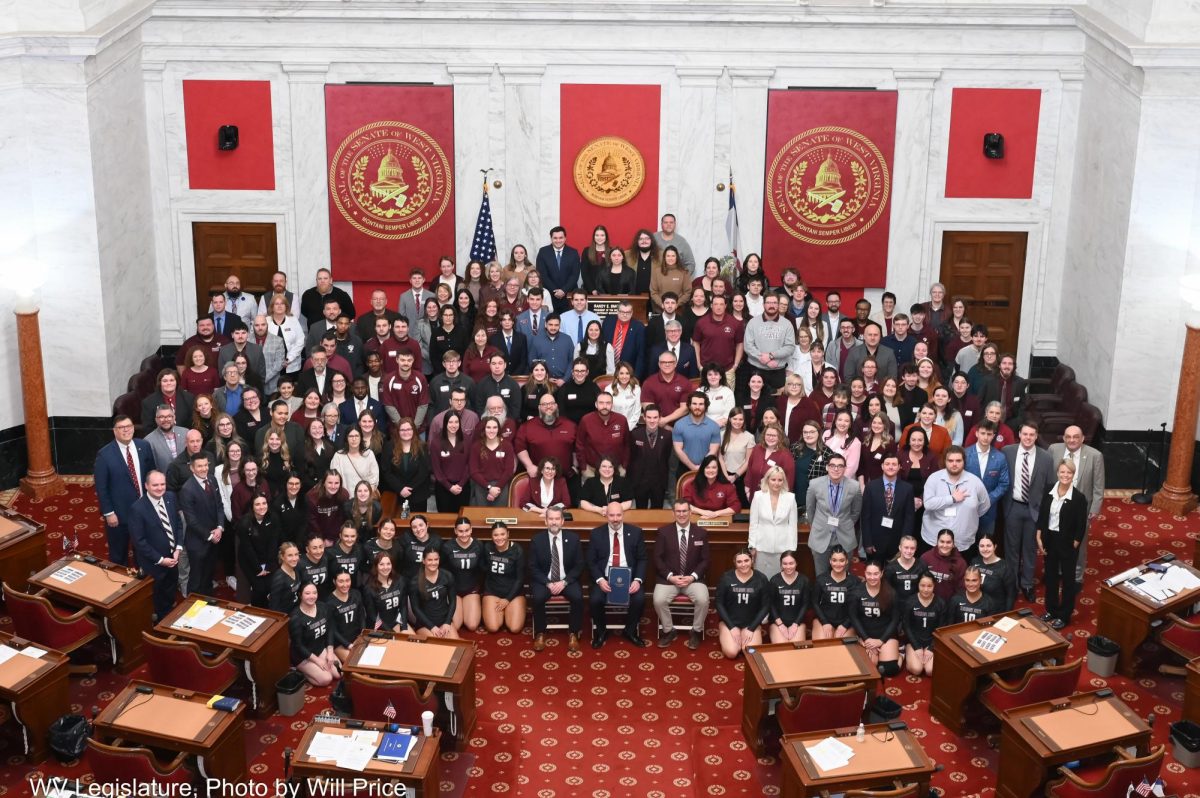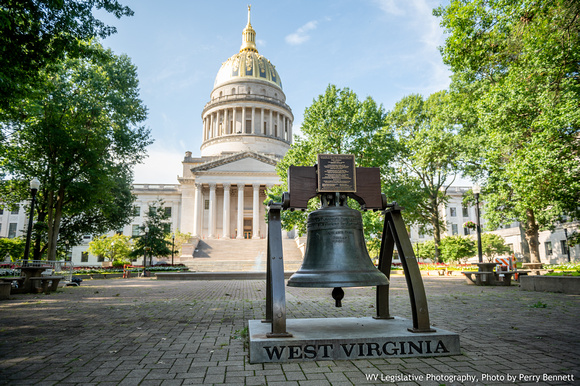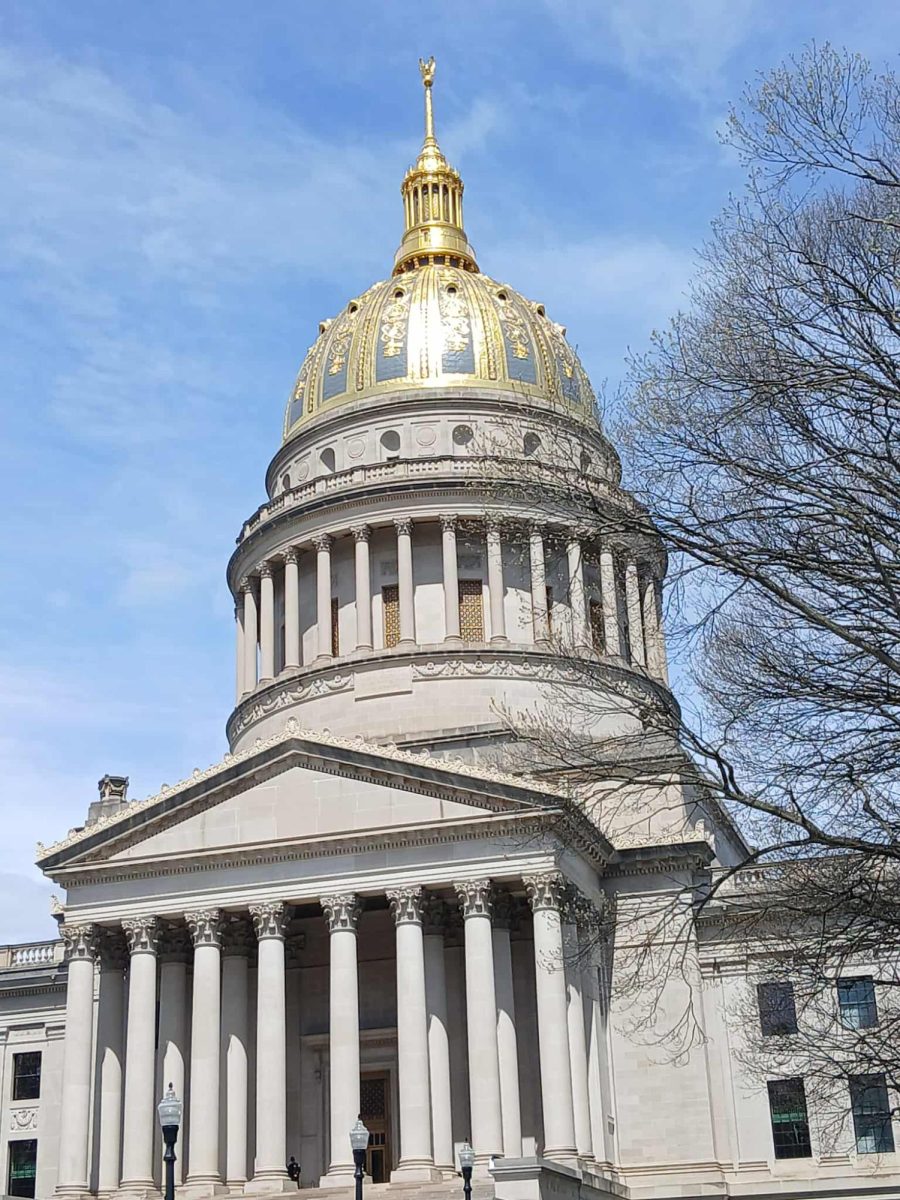

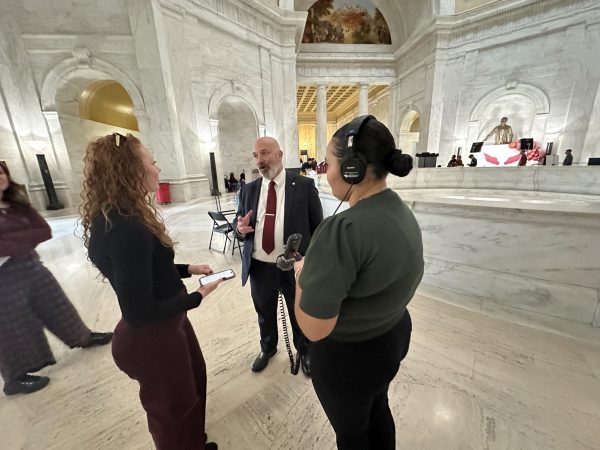
On January 23, 2026, dozens of Fairmont State University students participated in Day at the Capitol, in Charleston, W.Va., an annual event designed to strengthen connections with state leaders and showcase the positive impact of budgetary allocations at FSU.
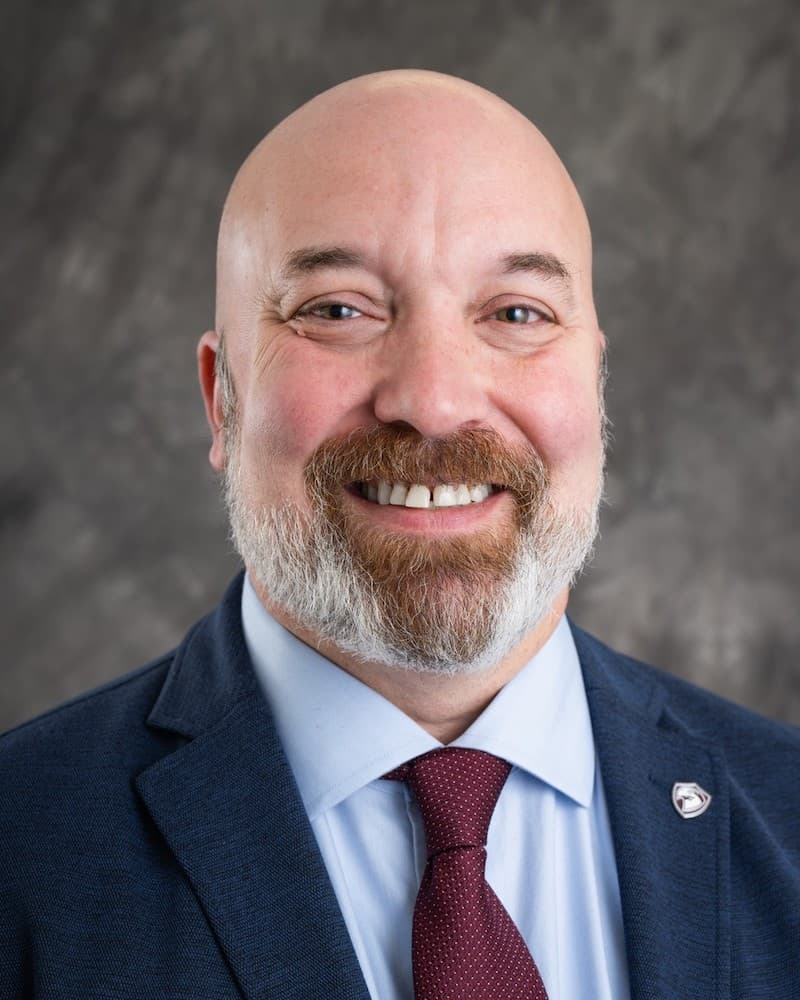
Throughout the day, President Mike Davis, students, and other members of the campus community united to celebrate the university’s achievements and to emphasize the University’s impact on West Virginia.
According to President Mike Davis, Fairmont State’s relationship with the state budget process is one of its greatest strengths.
“I think it’s amazing,” Davis said, emphasizing that state support through the funding formula, Promise Scholarship, WV Grant, and HEAPS Grant plays a major role in keeping higher education affordable. “We feel like our students are well supported, and it helps us keep student debt down.”
An average Fairmont State graduate leaves college with a much lower student debt burden than the national average, a fact Davis attributes to state investment.
West Virginia’s performance-based funding formula plays a major role in that investment. Davis explained that the formula “rewards universities who attract particular types of students and then make sure those students progress and graduate.” The university receives the second-highest per-student funding allocation in West Virginia because its programs so closely align with state goals.
This structure has enabled other initiatives, too.
“We were able to launch the Access Scholarship because the funding formula rewards universities that attract students from certain areas of the state and from certain economic demographics,” Davis said.
State grants and appropriations directly shape Fairmont State’s ability to operate affordably and effectively. Davis noted that programs like the Promise Scholarship and the West Virginia Grant allow the university to stretch scholarship dollars further.
“The Access Scholarship might only cost us a couple of thousand dollars per student because between Promise, the West Virginia Grant, and the funding formula, a lot of those expenses are covered through state appropriations,” Davis said.”
Fairmont State also sees itself as a key partner in regional economic development. The university is expanding internship and co-op opportunities and strengthening ties with local businesses and schools. “We’re ready and looking for partnerships,” he said.
He emphasized that while larger institutions often dominate statewide conversations, Fairmont State offers agility and responsiveness.
“We’re probably more nimble than the big places are,” he said, “We’re able to do things more quickly and more efficiently than Marshall or WVU can.”
This year, while Fairmont State is not advocating for specific funding requests, they are encouraging state leaders to present ideas and priorities.
“When the state has needs, they come to us,” Davis said, “A lot of the things you see emerge in higher education come from ideas that legislators or the governor or secretaries will have.”
Looking ahead, Davis sees both challenges and opportunities. One of the biggest hurdles, he said, is public perception. “People keep saying you don’t need a college degree,” he said. But studies show that individuals with a college degree can earn more than $1 million more over their lifetime than individuals without a degree. College graduates also live longer than those without a college degree.
“If you get a college degree in West Virginia, you make more, you live longer, and you work less,” Davis said.